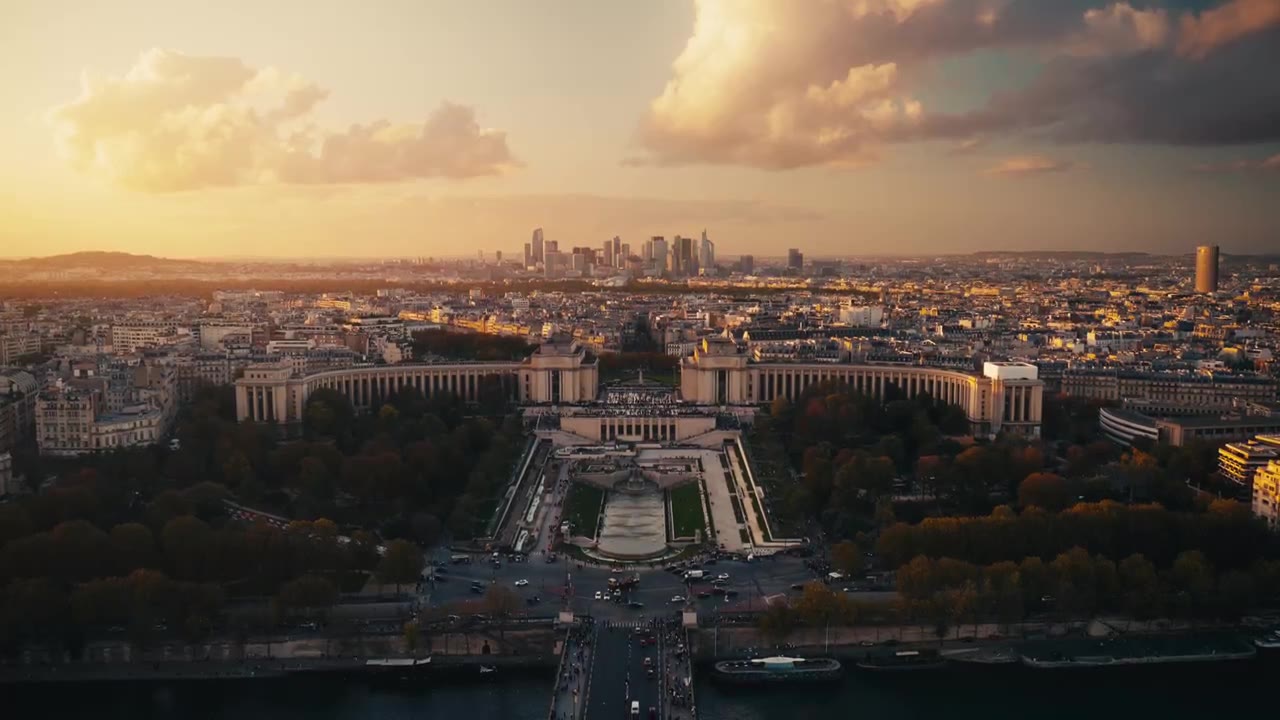
The tourist Paris and the Parisian Paris are two cities that happen to share the same arrondissements. The first is magnificent — the Louvre, the Eiffel Tower, the Sacré-Cœur at sunset — and none of it should be dismissed. But the second is rarer, quieter, and requires the one thing most visitors do not bring: the language. Knowing a little French changes not just what you can say, but where you are allowed to go — or rather, where you feel welcome enough to wander.
The Covered Passages: Paris Between the Rain
Of all the city's secrets, the covered passages are perhaps the most beautiful. Built in the early nineteenth century as the ancestors of the shopping mall, they are now mostly half-forgotten — glass-roofed arcades where time moves more slowly than on the boulevards outside. The Galerie Vivienne, near the Palais-Royal, is the grandest: mosaic floors, ornate ironwork, a bookshop that sells first editions in beautiful condition, a wine merchant who knows his customers by name. You can walk the length of it for the price of nothing and feel, quite suddenly, that you have slipped through a seam in the city's history.
The Passage des Panoramas, a few streets away, is older still and less polished: stamp dealers, menu-collectors, a crêpe stand, an engraver who still sets type by hand. These are the places where Parisians go when they want to remember what the city looked like before it was photographed. To visit them in silence is pleasant. To visit them able to ask the bookseller what he recommends for someone who reads slowly is a different pleasure entirely.
The Village Within the City
Paris is not one city but twenty arrondissements, each with the feeling, at its best, of a distinct village. The 13th, south-east of the centre, is home to one of Europe's oldest Chinatowns and also to the street art of the Butte-aux-Cailles — a hillside neighbourhood of low buildings, wisteria, and a swimming pool built in 1924 that still operates in summer. The 20th, once the working-class east, now hums with a creative energy that has not yet hardened into self-consciousness. Rue de la Roquette on a warm evening is a reminder that Paris belongs to the people who live there.
None of this is secret, exactly. But it requires a willingness to be slightly lost, and a willingness to ask. Excusez-moi, c'est quoi cet endroit? — Excuse me, what is this place? — is a sentence that has started conversations that have lasted hours. French people, in their own neighbourhoods, are not cold. They are simply waiting to be spoken to in the right language.
The Cimetière du Père-Lachaise After the Tourists Leave
Europe's most visited cemetery is, paradoxically, one of Paris's most peaceful destinations — if you visit on a Tuesday morning in November, rather than a Saturday in July. The graves of Chopin, Proust, Piaf, Oscar Wilde, and Jim Morrison are marked on maps sold at the entrance, but the cemetery stretches for forty-four hectares and most of it receives no visitors at all. The older sections, where tombs from the Napoleonic era are slowly being reclaimed by ivy and silence, have the quality of a very long sentence that has lost its subject. You can walk there for an hour and meet no one but a gardener who nods and returns to his work.
The Bouquinistes and the Reading City
Along the Seine, on the Left Bank, the bouquinistes have been selling books, prints, and vintage postcards from their green metal boxes for well over a century. The boxes open each morning in the direction of the river, and their owners — who are licensed by the city of Paris and may sell a precisely defined category of goods — arrange their stock with an idiosyncratic logic that only they fully understand. To browse is free. To ask what something is worth requires French. To discover, as you sometimes do, that the watercolour you are looking at is by a minor Impressionist whose name you have read but never encountered in the flesh — that requires luck, and a kind of attention that only a certain mood of travel allows.
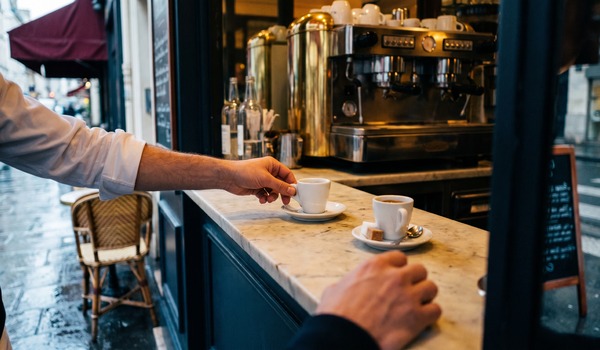
Paris rewards the slow visitor. It rewards the visitor who speaks the language, however imperfectly, and who asks questions. It rewards the visitor who sits at a zinc bar in the 11th at eleven in the morning and orders a café noisette and watches the neighbourhood open around them like a story told in the present tense.