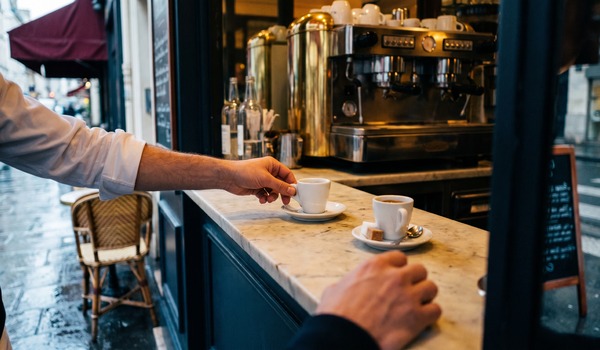
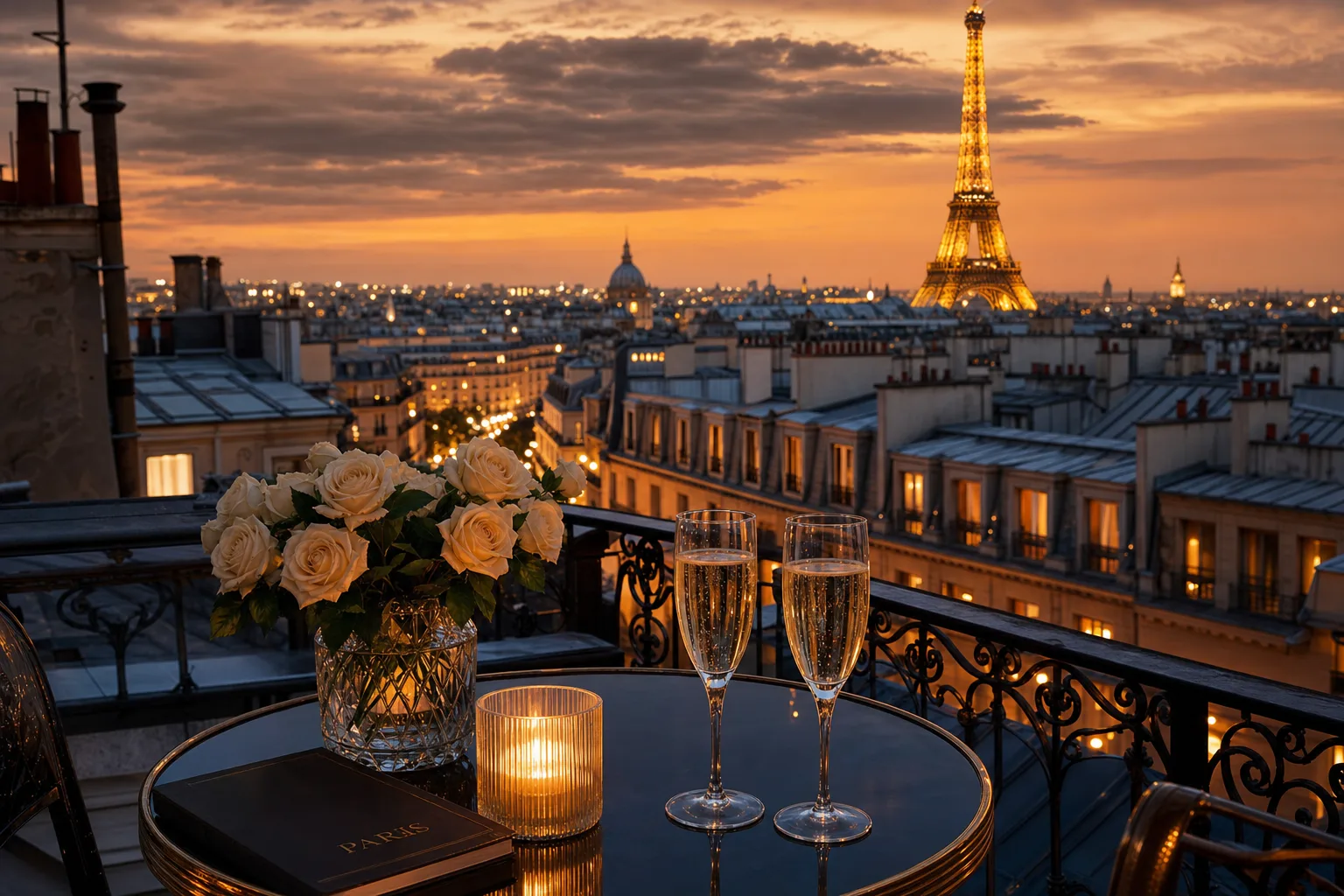
France has long held the distinction of being the world's most visited country — a title that rests on a combination of geography, culture, cuisine, history, and a certain quality of life that visitors arrive hoping to absorb. In recent years, the number of international visitors has crossed the hundred-million mark, a figure that encompasses everyone from the Japanese tourist photographing Versailles to the Brazilian student enrolled in a summer language course in Montpellier to the retired American couple who return to the same Dordogne village every July because they fell in love there forty years ago. What draws all of them, and what separates those who merely visit France from those who genuinely encounter it?
The Geography of Desire
France is, by any measure, an extraordinary piece of geography. It is the only country in Europe that has both an Atlantic coast and a Mediterranean coast, both alpine peaks and flat northern plains, both the lush volcanoes of the Auvergne and the limestone gorges of the Verdon. Its wine regions alone — Bordeaux, Burgundy, Champagne, Alsace, the Rhône, the Loire — form a kind of cultural atlas of European civilisation. To drive from Calais to Nice is to cross not one country but several, each with its own architecture, its own cuisine, its own dialect, its own pace.
This diversity is part of what makes France endlessly revisitable. Visitors who have exhausted Paris — if such a thing is truly possible — find the Loire Valley waiting with its châteaux and goat's cheese. Those who know the Loire find Provence with its markets and lavender. Those who know Provence find the Basque Country, the Périgord, the Alsace — each one a complete world, each one with its own version of what it means to be French.
The Language as Key
Among the hundred million visitors to France each year, there is a significant divide — not of wealth or origin, but of language. Those who speak French, even imperfectly, experience the country differently. The most obvious difference is practical: menus make sense, directions are understood, the pharmacist's recommendation can be followed. But the deeper difference is social. A visitor who speaks French is welcomed into a conversation. A visitor who does not is, through no fault of their own, kept at a polite distance.
French people are not hostile to those who do not speak French — they are simply more comfortable in their own language, and they relax when someone tries. The key word is essayer — to try. A halting attempt at French, delivered with goodwill, opens more doors in France than a fluent but impatient demand in English. This is not national pride; it is a cultural preference for the gesture of effort, for the willingness to enter the conversation on its own terms.
What a Hundred Million Visitors Miss
The paradox of mass tourism is that it brings enormous numbers of people to places of extraordinary beauty and ensures that most of them see those places through the glass of the tour bus, the screen of the phone, the lens of their own expectations. The Louvre sees millions of visitors file past the Mona Lisa — a painting that is, in person, surprisingly small and protected behind glass — while the Denon Wing's other masterpieces are almost empty. Mont-Saint-Michel is photographed from the causeway at dawn by visitors who have not had time to walk its inner streets, which are medieval and labyrinthine and smell faintly of the sea.
Language is the most reliable antidote to this kind of tourism. Not because speaking French transforms you into a local — it does not, and the French are not fooled — but because it slows you down in the best way. You stop to ask a question. The question becomes a conversation. The conversation becomes an afternoon. The afternoon becomes a memory of the real France rather than the represented one.
The Return Visit
Among the hundred million annual visitors to France, a significant proportion are returning. They come back because something was left unfinished, or because they want to show someone else, or simply because they have not been able to stop thinking about it. For many of these return visitors, learning French — properly, seriously, with a native teacher — is the logical next step. Not to tick a box, but to finally hear the conversation they have been standing outside of. To sit at the table. To understand what is being said about the wine before it is poured.